BrewNotedOur approach
 Fruit matcha latte: a worksheet for purée, milk and ice
Keep fruit separate from the tea base, scale a small recipe and record what you change. An editorial planning example, not a café copycat formula.
Published September 24, 2026. Calculations and planning examples are our editorial work, not results from a tasting trial. Defaults are adjustable examples. No affiliate links.
| Ingredient | 1 serving | 2 servings | 4 servings |
|---|---|---|---|
| Matcha | 2 g | 4 g | 8 g |
| Whisking water | 40 ml | 80 ml | 160 ml |
| Milk | 160 ml | 320 ml | 640 ml |
| Ice | 80 g | 160 g | 320 g |
| Fruit purée (separate record) | 30 g | 60 g | 120 g |
| Added syrup in this example | 0 ml | 0 ml | 0 ml |
Choose a repeatable starting record
Fruit and matcha can appear in the same glass in many different proportions. Start by choosing one fruit preparation and writing down its actual label or ingredients. Fresh fruit, a sweetened purée and a flavored syrup are not interchangeable quantities. Our worksheet uses a hypothetical 30 g fruit-purée portion per drink to demonstrate record-keeping. It is not a tested recipe, a nutrition estimate or a reproduction of any café’s formula.
Keep the fruit in its own measurement
Write fruit purée in grams if you weigh it. Keep milk and water in millilitres if you measure their volume, and keep ice in grams. Do not add those numbers together and label the result as the drink’s exact millilitres. Density, ice displacement and foam affect the space needed in the cup. Use a roomy glass for your trial and record the actual fill level. A cup marked with its brim capacity leaves no allowance for stirring.
Scale the tea base, then the fruit
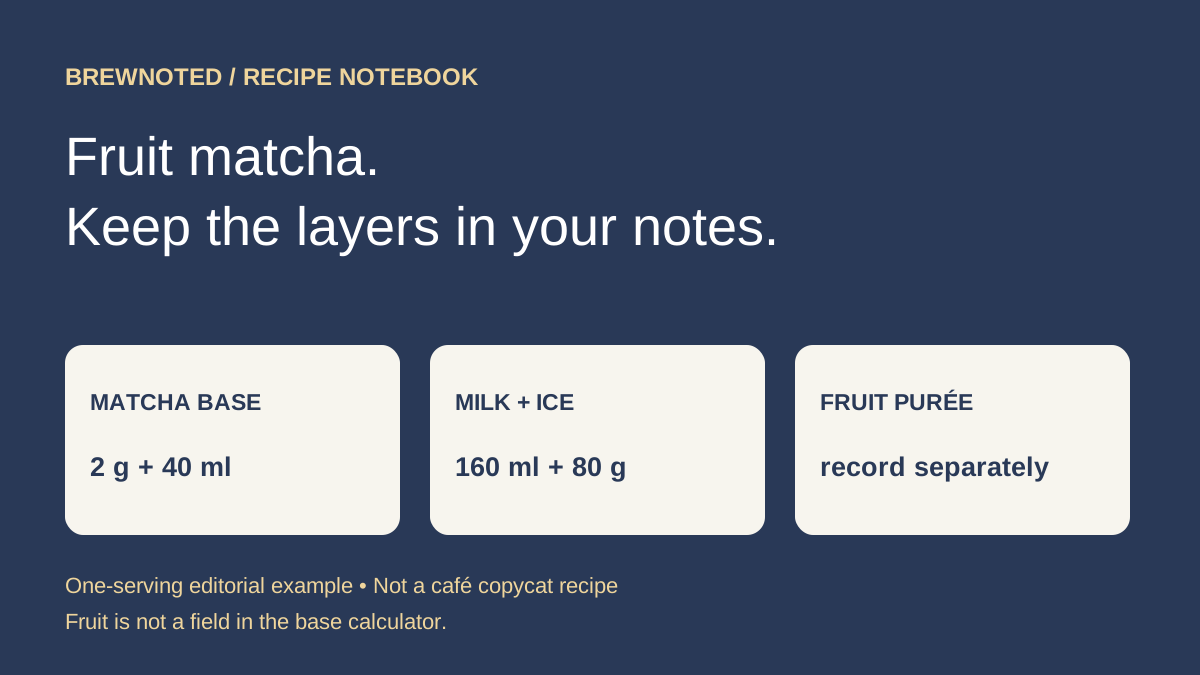
The editable example uses 2 g matcha, 40 ml whisking water, 160 ml milk and 80 g ice per serving, with no added syrup. For two drinks that becomes 4 g, 80 ml, 320 ml and 160 g respectively; fruit purée separately becomes 60 g. These are multiplication examples. Follow your matcha supplier’s preparation instructions, then change the base quantities if your source recipe differs. The linked calculator handles the base; it currently has no fruit-purée field, so record fruit separately.
Change one part of the trial at a time
If you want to compare fruit quantity, keep the matcha, milk and ice the same and prepare two small portions with different measured purée amounts. If you want to compare milk choices, keep the purée amount fixed instead. Label each glass before you assemble it. Mixing several changes into one trial makes it difficult to tell which change mattered. We do not predict how a particular purée and milk combination will taste or behave.
Record mixing and ice as part of the recipe
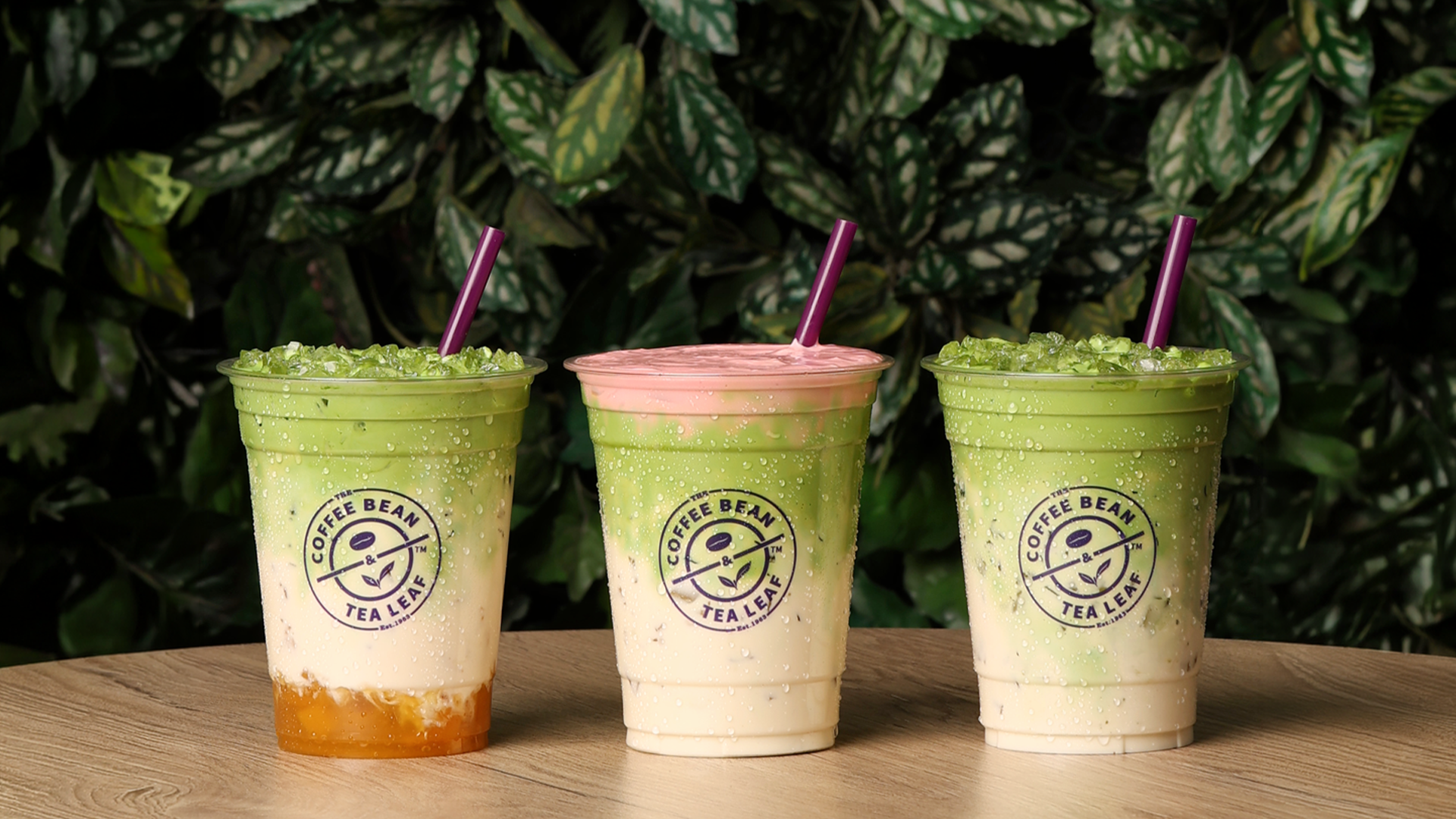
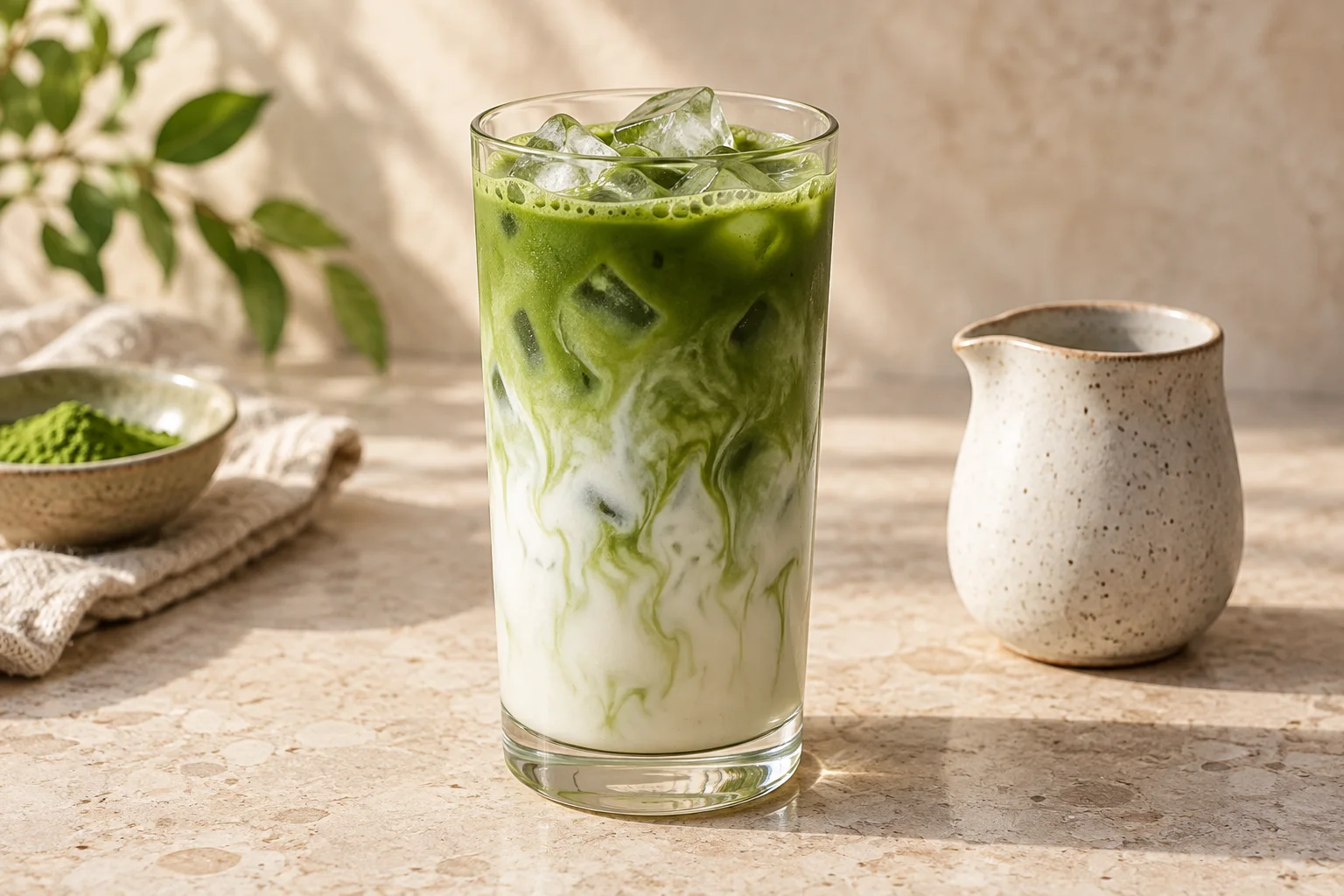
Decide whether you will stir everything together or first observe the layers, and write that down. Record the time between assembly and tasting because some ice may have melted before you compare the drinks. A layered photograph is a serving presentation, not proof of a particular flavor or stability. When you repeat a version, use the same assembly order and similar serving conditions where practical, then describe any difference you actually notice.
Save the version that answers your question
The downloadable card gives one-, two- and four-serving quantities for the base and reminds you to keep fruit separate. Save your adjusted base in the calculator and put the fruit product and amount in your own preparation note. If you calculate cost, enter the purée’s per-drink cost under other costs rather than treating it as free. You can share the numerical base through the tool link, but it will not include a fruit measurement unless you supply that note yourself.