 BrewNoted
Compare two milks in a tea drink without losing the recipe
Keep the tea base constant and separate flavor preference from claims about nutrition or performance.
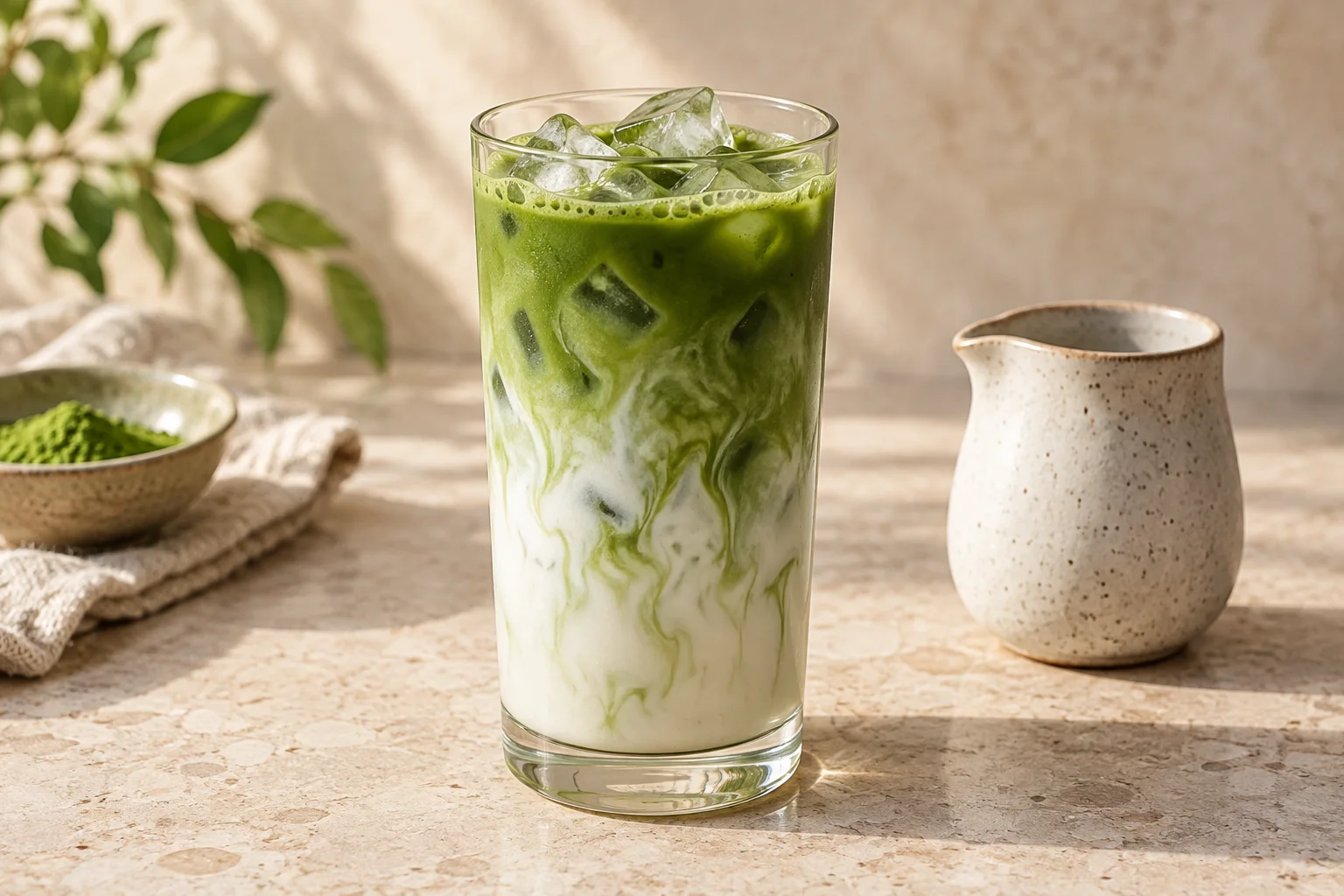
This is a research-based explainer, not a hands-on test. Source recipes are attributed; worksheets, examples and suggested comparisons are our editorial guidance. No affiliate links. Worked example revised September 27, 2026; no hands-on test results are claimed.
| Keep equal | Record separately | Leave open until tasting |
|---|---|---|
| Base portions and milk volume | Exact product and formulation | Tea presence |
| Cups and serving conditions | Ingredient and allergen labels | Perceived sweetness and body |
| Tasting sequence | Preparation loss or spills | Preference and reason |
Choose the question first
You might want a stronger tea impression, a texture you prefer or an ingredient that suits your household. These are different goals. Write one down before comparing products. Do not call a milk “better” without specifying the task and your preference.
Use one measured tea base
Prepare a base according to the recipe you are following and divide it into equal measured portions. Add the same amount of each milk for a first comparison. If using matcha, mix the base before dividing so settling does not give one cup more powder. This is a practical tasting routine, not a blinded scientific trial.
Read the ingredient labels
Record product name and whether it is sweetened. Different formulations may contain different sweeteners, oils or other ingredients. If sharing drinks, check the ingredient labels for the people drinking them. Do not infer allergen suitability from a broad category name.
Keep serving conditions similar
Use matching cups where possible, the same amount of ice and similar tasting times. Taste in one order, then return to them in the opposite order. Your preference may change as the drink warms or cools. Write the observation rather than selecting the first cup that seemed nicest.
Use a descriptive scorecard
Compare tea aroma, perceived sweetness, body and aftertaste in ordinary language. A simple preference column is enough. If neither works, return to the tea base before changing the matcha, water, milk quantity and sweetener together.
- Cup A: product / amount / temperature / notes
- Cup B: product / amount / temperature / notes
- Preference for this recipe, with a reason
- One proposed change for the next comparison
Separate personal preference from broader claims
Enjoying one combination does not show that it has less sugar, fewer allergens or superior environmental impact. Those questions need different evidence. Keep this worksheet about the drink you tasted. We have not tested or ranked milk brands.
A two-cup setup with quantities kept separate
As an illustrative setup, divide a freshly mixed base made with 2 g matcha and 40 ml water into two equal portions, then add 80 ml of milk A to one and 80 ml of milk B to the other. Each portion nominally contains half the base, or 1 g matcha and 20 ml water. This example is a comparison plan, not a tested recipe or a prediction of final drink volume. Mix immediately before dividing and record spills rather than pretending the split was exact.
- Label cups A and B and save the full product names from both cartons.
- Start without added syrup or ice to avoid two extra variables, unless they are the specific routine you want to compare.
- Record perceived sweetness and texture separately; consult labels for sugar or allergen information.
Choose whether you are comparing substitution or optimization
An equal-volume comparison answers a narrow question: which milk do you prefer when replacing the other in this recipe? It does not identify the best possible recipe for each product. First hold the base and milk volume steady. If one seems promising but too strong or too weak, run a separate quantity experiment afterward. Otherwise the preferred cup may simply contain less dilution, and you will not know whether the product or the amount drove the choice. Write “equal-volume substitution” at the top of this first record.
Account for mixture left in the preparation vessel
The example above assumes an even split with no loss. If you choose to divide by mass, weigh the mixed base you actually recover and split that mass equally; do not assume 20 g of mixture means 20 ml of water. Some mixture stays on the whisk and bowl, so the nominal 1 g of matcha per cup is an estimate, not an independently measured amount. Stir immediately before dividing, record the method, and flag an obvious spill. If one cup receives visibly more settled powder, remake the comparison rather than trying to correct it with an unmeasured splash of milk.
A two-pass note sheet that resists first-sip bias
Label the cups A and B and record the carton identities on a separate line. Taste A then B at a comfortable temperature, then revisit B before A. Record tea presence, sweetness, body and aftertaste in separate fields. Keep quantities and tasting conditions alongside those words. If another person pours and hides the labels, describe that arrangement accurately; otherwise call it an open comparison. The sequence can reveal a preference that changes as the drinks cool, but it does not make a home trial a controlled laboratory study.
What to do with an inconclusive result
If neither cup clearly suits the stated goal, write “no preference in this setup.” Repeat with the same products and quantities before changing the base. If the result is still tied, convenience or cost may be the more useful distinction. For a cost example only, $3 for 1,000 ml means an 80 ml portion costs $0.24; $4 for 1,000 ml makes it $0.32, a difference of $0.08 per cup. These are invented prices and exclude waste. Use actual package volume and paid price, then decide whether the difference matters at your frequency of use.

