BrewNotedOur approach
 Ippodo Shincha and New Harvest Matcha vs regular blends
A September FAQ update helps explain why a year-round tea is not labeled like a seasonal harvest release.
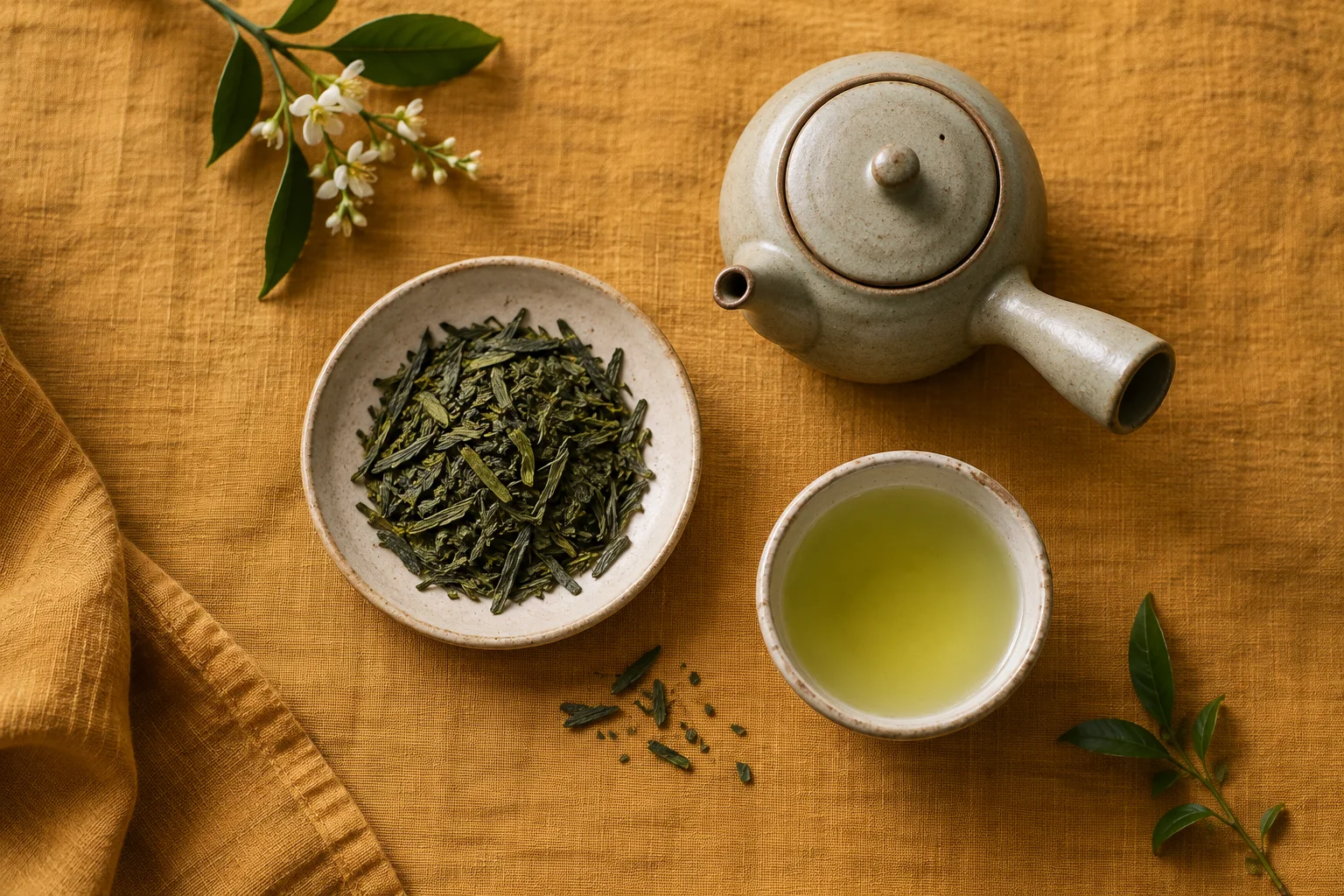
Sources checked September 22, 2026. This is a research-based buying guide, not a hands-on review. Specifications and announcements are attributed; calculations and selection advice are our analysis. Images are illustrative. No affiliate links.
A seasonal release and a regular blend answer different needs
Ippodo’s harvest FAQ, updated September 4, 2026, describes Shincha and New Harvest Matcha as seasonal products made solely from the current year’s harvest. It gives an approximate May-to-July sales window, subject to supply. That is general availability guidance, not proof that either product is in stock in September or a confirmed schedule for next year.
Why regular tea is not released immediately after harvest
In a separate FAQ updated on the same date, Ippodo says it holds tea under controlled freshness-preserving conditions before gradually incorporating it into regular blends. The company describes this as part of developing the character it wants. This is the producer’s process description; it is not an instruction to age an opened packet in your kitchen.
Read a blend label without making a freshness assumption
Ippodo says its year-round selection can combine harvests from different farms and years to maintain a consistent character. That statement does not tell you the age of a specific packet. If a listing does not identify a harvest year, ask the seller what information is available instead of inferring it from the order date or a photograph of the tin.
Which choice fits your reason for buying?
Choose the question first. Are you exploring a specifically identified seasonal release, or replacing an everyday tea whose character you already enjoy? For the first, verify the year and exact release name. For the second, record the regular blend name and package size. Neither decision requires assuming that the seasonal product is universally better or that a regular blend is defective.
Keep three dates separate
Harvest year, package best-before information and the date you opened the tea describe different things. Save the actual label and mark the opening date yourself. A recent website update is a fourth date: it tells you when guidance changed, not when the contents of a particular package were picked. This distinction helps when comparing old search results with a current listing.
How to make a useful personal comparison
If you have both teas, follow each product’s preparation instructions and record leaf or powder amount, water, temperature and preparation method. Taste at a comfortable temperature and describe your preference in ordinary words. If the recipes differ, say so in the note rather than assigning the difference entirely to harvest timing. BrewNoted has not run a side-by-side tasting of these releases.
What to ask before paying a seasonal premium
Ask for the exact product, harvest designation if supplied, pack size, storage guidance and current delivery terms. A marketplace title that includes fresh or new is not enough to answer all five. Start with a manageable quantity and keep your first recipe note. Our loose-leaf buying and sencha temperature guides cover what to do once the tea arrives.
How we research these guides · Find your next step